Most homeowners do not think about their roof until something goes wrong — a leak appears, a storm blows through, or a home inspector flags a problem during a sale. But regular roof inspections are one of the simplest ways to protect your home, extend your roof’s lifespan, and avoid expensive emergency repairs. So how often should you schedule one?
The General Rule: Twice a Year
Roofing professionals and organizations like the National Roofing Contractors Association (NRCA) recommend having your roof inspected at least twice per year — once in the spring and once in the fall. These inspections catch damage from winter ice and snow before the rainy season, and catch summer heat and storm damage before winter sets in.
A twice-yearly schedule applies to most residential roofs regardless of material. Think of it like a dental checkup: small problems caught early are quick and inexpensive to fix, while problems left unchecked become major.
When You Should Inspect More Often
Certain situations call for inspections beyond the standard twice-a-year cycle:
After a Major Storm
Hail, high winds, heavy snow, and fallen tree limbs can all cause damage that is not visible from the ground. After any significant weather event, schedule a professional inspection promptly. In states like Florida and Texas, post-hurricane inspections are essential — even if your roof looks intact, wind-driven rain may have compromised underlayment or flashing.
If Your Roof Is Over 10 Years Old
Roofs degrade gradually. An asphalt shingle roof that looked fine at year eight can develop cracked shingles, failing sealant strips, and granule loss by year twelve. Once your roof passes the decade mark, consider adding a mid-summer inspection to your schedule for a total of three per year.
Before Buying or Selling a Home
A pre-purchase roof inspection protects buyers from inheriting hidden problems. For sellers, a recent inspection report gives buyers confidence and can prevent price negotiations driven by uncertainty about the roof’s condition.
After Nearby Construction or Tree Work
Vibrations from heavy equipment, falling branches, and construction debris can damage shingles, flashing, and vents without obvious signs. If work occurred near your home, have the roof checked.
Inspection Frequency by Roof Material
Different materials age differently, so inspection schedules should adapt:
- Asphalt shingles: Twice a year plus after storms. Most vulnerable to UV, thermal cycling, and wind.
- Metal roofing: Once or twice a year. Focus on fastener condition, sealant around penetrations, and panel alignment.
- Tile (clay or concrete): Twice a year. Tiles are durable but underlayment beneath them can fail. Walking on tile requires care to avoid cracking.
- Flat roofs (TPO, EPDM, BUR): Twice a year minimum, plus after heavy rain. Check for ponding water, membrane tears, and drain blockages.
- Wood shake: Twice a year. Prone to moss, rot, and splitting. Especially important in wet climates like Washington.
What Happens During a Professional Roof Inspection?
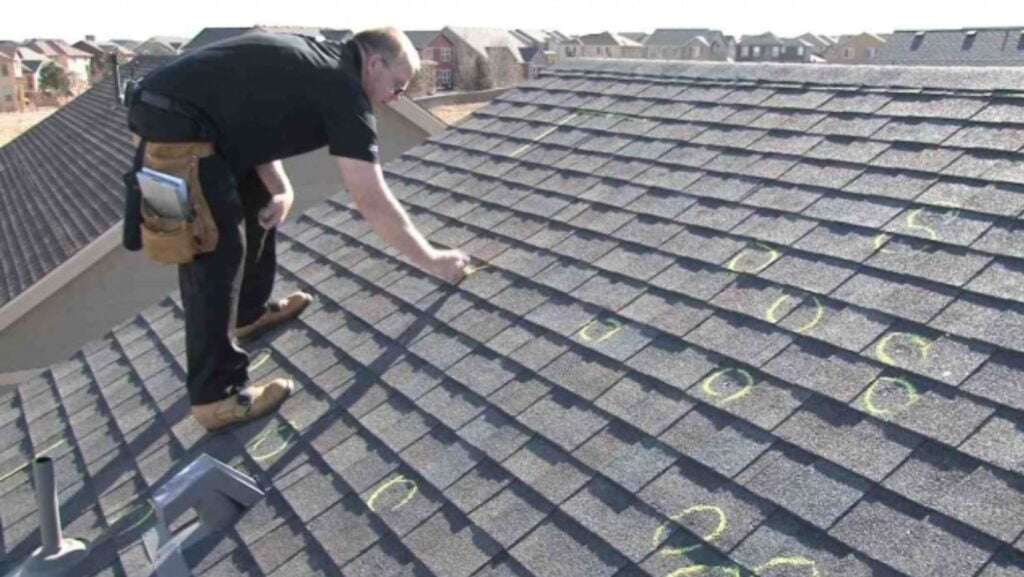
A thorough professional roof inspection typically takes 45 minutes to two hours and covers:
- Exterior inspection: Condition of shingles, tiles, or panels. Flashing around chimneys, vents, skylights, and valleys. Gutter condition and attachment. Fascia and soffit condition.
- Interior inspection: Attic check for daylight penetration, water stains, mold, insulation condition, and ventilation adequacy.
- Structural assessment: Signs of sagging, uneven roofline, or compromised decking.
- Documentation: Photos, notes, and a written report with recommended repairs and estimated remaining lifespan.
A professional inspection catches issues you cannot see from the ground or from inside the house. Roofers know where to look — failed kick-out flashing, lifted ridge caps, and deteriorating pipe boot seals are easy to miss without training.
Can You Inspect Your Own Roof?
A basic visual check from the ground is worthwhile between professional visits. Use binoculars and look for:
- Missing or visibly damaged shingles
- Debris buildup in valleys
- Sagging gutters or visible rust on flashing
- Moss or algae growth
However, a ground-level check is no substitute for a hands-on professional inspection. Many types of damage — bruised shingles, cracked sealant, failing underlayment — are only detectable up close. Never walk on your roof yourself unless you have proper safety equipment and experience.
How Much Does a Roof Inspection Cost?
Most professional roof inspections cost between $150 and $400 depending on roof size, accessibility, and your region. Some roofing companies offer free inspections when you are considering a repair or replacement project.
Compared to the cost of repairing water damage ($1,000–$5,000+), replacing rotted decking ($2,000–$6,000), or dealing with mold remediation ($3,000–$10,000), a $200 inspection is one of the best investments you can make in your home.
Schedule Your Roof Inspection Today
Do not wait for a leak to tell you something is wrong. Roofing Quote Today connects homeowners with trusted, licensed roofers who perform thorough roof inspections and provide honest assessments. We serve homeowners in New York, Pennsylvania, California, Arizona, and across the country.
Call 844-677-2023 to schedule your free inspection, or visit our contact page to get started.