Roof ventilation is one of the most overlooked aspects of a healthy roofing system. Homeowners invest in premium shingles, quality flashing, and proper installation — then neglect the airflow system that keeps it all performing as designed. Poor ventilation shortens your roof’s lifespan, drives up energy bills, and creates conditions for mold, ice dams, and structural damage. Here is what every homeowner should know.
How Roof Ventilation Works
A properly ventilated attic uses the natural movement of air to regulate temperature and moisture. The system has two components:
- Intake vents (typically soffit vents along the eaves) allow cool, dry outside air to enter the attic at the lowest point of the roofline.
- Exhaust vents (ridge vents, box vents, or powered fans near the peak) allow hot, moist air to escape from the highest point.
As warm air rises and exits through the exhaust vents, it pulls fresh air in through the intake vents. This continuous cycle keeps the attic close to outdoor temperature and prevents moisture from accumulating on the underside of the roof deck.
The industry standard, established by the Federal Housing Administration, is 1 square foot of net free ventilation area for every 150 square feet of attic floor space (1:150 ratio). With a proper balanced intake-to-exhaust system, this can be reduced to 1:300.
Why Ventilation Matters
In Summer: Heat Reduction
Without ventilation, a closed attic in direct sun can reach 150–160°F. That superheated air radiates downward through the ceiling, forcing your air conditioner to work overtime. It also bakes the underside of your shingles, accelerating granule loss and aging the adhesive strips. Proper ventilation keeps attic temperatures within 10–15°F of the outside air, dramatically reducing both cooling costs and thermal damage to roofing materials.
In Winter: Moisture and Ice Dam Prevention
Warm, moist air from cooking, showering, and breathing rises into the attic. In a poorly ventilated space, this moisture condenses on the cold roof deck, leading to mold, rot, and degraded insulation. In cold climates like New York and Pennsylvania, trapped heat also melts snow on the roof surface. The meltwater runs down to the colder eaves, refreezes, and forms ice dams that force water back under shingles and into the home.
Year-Round: Extended Roof Lifespan
Shingles installed over a well-ventilated deck consistently outlast identical shingles on a poorly ventilated roof. Most shingle manufacturers require adequate ventilation as a condition of their warranty. If a warranty claim reveals insufficient ventilation, the manufacturer can deny coverage — even on a roof that is only a few years old.
Signs of Poor Roof Ventilation
Watch for these warning signs in your home:
- Excessively hot upstairs rooms in summer despite adequate AC
- Ice dams forming along the eaves in winter
- Mold or mildew on attic rafters, decking, or insulation
- Peeling exterior paint near the roofline (caused by moisture migrating through walls)
- Rusty nails protruding through the roof deck (condensation indicator)
- Wavy or buckled shingles caused by excessive heat from below
- Higher-than-expected energy bills with no other explanation
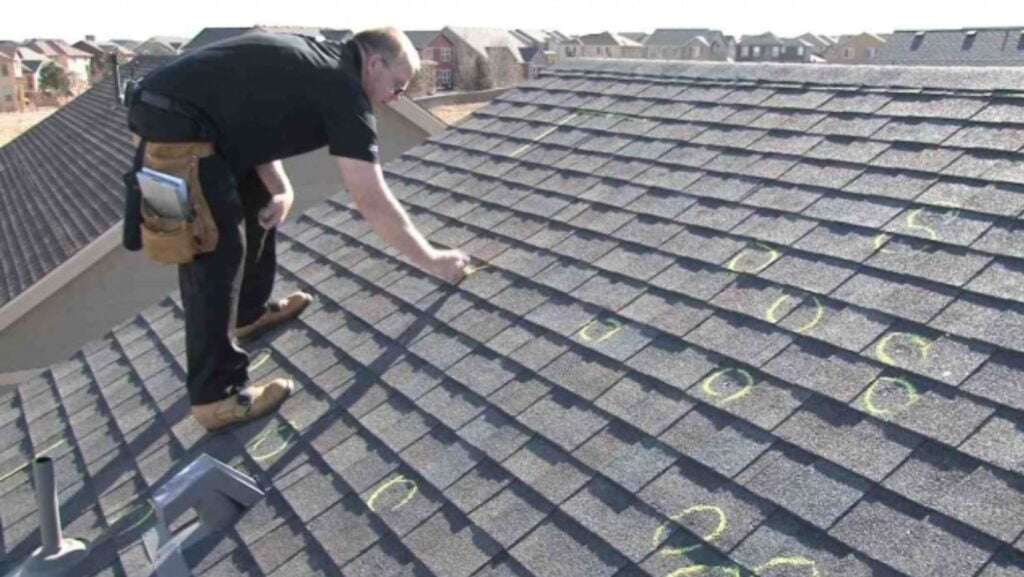
If you notice any of these, a professional roof inspection can diagnose the ventilation issue and recommend corrections.
Types of Roof Vents
Intake Vents
- Soffit vents: The most common and effective intake. Continuous perforated soffit panels or individual round/rectangular vents installed in the soffit overhang. They work with every exhaust type.
- Drip edge vents: Used when the roof has no soffit overhang. Installed at the eave edge to allow air into the attic space.
Exhaust Vents
- Ridge vents: A continuous vent installed along the entire ridge of the roof, covered by a cap shingle. Provides the most uniform exhaust and is nearly invisible from the ground. This is the preferred exhaust method for most residential roofs.
- Box vents (static vents): Square or round vents installed in cutouts near the ridge. Each vent covers a limited area, so multiple units are needed. Effective but less aesthetically clean than ridge vents.
- Turbine vents (whirlybirds): Wind-powered spinning vents that actively pull air from the attic. More effective than static box vents in windy areas but can be noisy and require occasional maintenance.
- Powered attic fans: Electrically or solar-powered fans that actively exhaust hot air. Effective but can create negative pressure that pulls conditioned air from the living space if intake is insufficient. Use with caution and ensure balanced intake.
- Gable vents: Louvered vents in the gable end walls. They provide some cross-ventilation but are less effective than ridge-and-soffit systems because they short-circuit airflow — air moves horizontally across the top of the attic rather than sweeping the entire underside of the deck.
How to Improve Your Roof Ventilation
If your home has ventilation issues, here are the most common fixes, roughly in order of impact and cost:
- Clear blocked soffit vents: Insulation batts often get pushed over soffit openings during installation or renovation. Installing foam baffles (rafter vents) between each pair of rafters ensures the soffit-to-ridge airpath stays open. Cost: $200–$500 for materials and a few hours of labor.
- Add soffit vents: If your soffits are solid (no ventilation), a contractor can cut in continuous perforated panels or individual vents. Cost: $300–$800.
- Install a ridge vent: If your roof has only box vents or gable vents, upgrading to a ridge vent during your next roof replacement is the most effective improvement. The contractor cuts a slot along the ridge, installs the vent, and caps it with ridge shingles. Cost when done during a reroof: $400–$800 incremental.
- Add box vents: If a ridge vent is not practical (hip roofs with short ridges, for example), additional box vents near the peak improve exhaust capacity. Cost: $75–$150 per vent installed.
Talk to a Ventilation Expert
Ventilation problems are not always obvious, and the fix depends on your roof geometry, attic layout, and climate. Roofing Quote Today connects homeowners with experienced contractors who assess ventilation as part of every roof inspection and maintenance visit.
Call 844-677-2023 to schedule an inspection, or visit our contact page to request a free consultation.