When it is time for a new roof, one of the first questions homeowners ask is: can I just put new shingles over the old ones? The short answer is sometimes yes — but it is not always a good idea. This guide explains when an overlay makes sense, when a full tear-off is the better investment, and what building codes say about each approach.
What Is a Roof Overlay?
A roof overlay (also called a “reroof” or “nail-over”) means installing a new layer of shingles directly on top of the existing layer without removing it first. The old shingles act as a base, and the new shingles are nailed through both layers into the roof deck.
This technique only works with asphalt shingles over asphalt shingles. You cannot overlay metal, tile, wood shake, or flat-roof membranes — those materials require a full tear-off before any new installation.
Building Code Limits
Most building codes in the United States, including the International Residential Code (IRC), allow a maximum of two layers of asphalt shingles on a roof. That means:
- If you currently have one layer, you may be eligible for an overlay.
- If you already have two layers, a complete tear-off is required by law before installing new shingles.
Some jurisdictions are stricter. Several Florida counties, parts of coastal Texas, and high-wind zones require a full tear-off down to the deck regardless of how many layers exist. Always check with your local building department or ask your contractor about local requirements.
Pros of Roofing Over Existing Shingles
Lower Cost
The biggest advantage is savings. Skipping the tear-off eliminates $1,000 – $3,000 in labor and disposal fees. You also avoid the cost of replacing underlayment, since the old shingles serve as a secondary moisture barrier. For budget-conscious homeowners, an overlay can reduce total project cost by 15–25%.
Faster Installation
Without the tear-off step, an overlay can often be completed in a single day for a standard-size home. A full tear-off and replacement typically takes two to three days. If speed matters — say, before a forecasted storm or ahead of a home sale — an overlay gets the job done faster.
Less Disruption
Tear-offs are loud and messy. Debris, dust, and nails rain down around the house. An overlay generates far less mess, fewer truckloads of waste, and less noise. Neighbors will thank you.
Cons of Roofing Over Existing Shingles
Hidden Damage Stays Hidden
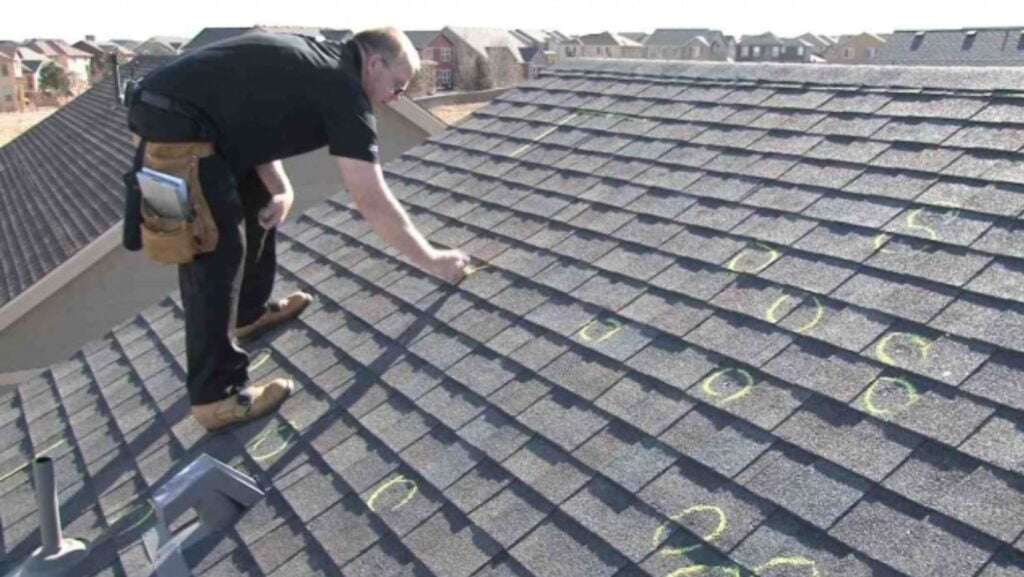
This is the most significant risk. When you skip the tear-off, no one inspects the roof deck. Rotted plywood, water-damaged sheathing, mold, and deteriorated underlayment remain buried under the old shingles. If the deck has problems, the new shingles will fail prematurely — and you will eventually pay for both a tear-off and a second replacement.
Added Weight
A second layer of asphalt shingles adds roughly 2 – 3 pounds per square foot to your roof. For a 2,000-square-foot roof, that is an additional 4,000 – 6,000 pounds. Most modern roof structures can handle this load, but older homes, homes in heavy-snow regions like Pennsylvania or New York, and homes with lightweight trusses may not. A structural assessment is essential before adding a second layer.
Shorter Lifespan
Shingles installed over an existing layer typically last 20–30% less than shingles installed on a clean deck. The old shingles trap heat, which accelerates aging of the new layer. The uneven surface also prevents the new shingles from lying perfectly flat, which can reduce wind resistance and create pockets where moisture collects.
Warranty Limitations
Many shingle manufacturers reduce or void their warranty coverage when shingles are installed as an overlay. A GAF or Owens Corning limited lifetime warranty may be reduced to 10 – 15 years if the shingles are not installed on a clean, properly prepared deck. Always read the manufacturer’s installation requirements before choosing an overlay.
Lower Resale Value
Home inspectors routinely flag two-layer roofs. Buyers and their agents know that an overlay signals the next owner will face a more expensive tear-off project. A single-layer roof installed on clean decking is a stronger selling point.
When a Full Tear-Off Is the Better Choice
In most cases, roofing professionals — including our partner contractors at Roofing Quote Today — recommend a full tear-off. It is the better investment when:
- Your existing shingles show signs of significant damage (curling, cracking, widespread granule loss)
- You suspect or see signs of water damage, rot, or mold in the attic
- Your roof already has two layers
- You live in a high-wind or heavy-snow area
- You want the full manufacturer warranty on your new shingles
- You plan to stay in the home for 10+ years
A tear-off costs more upfront, but it gives your new roof the best possible foundation and the longest possible lifespan. Learn more about the full process in our guide to what to expect during a roof replacement.
Get Expert Advice for Your Roof
Not sure whether an overlay or tear-off is right for your home? A professional roof inspection will reveal the condition of your deck and help you make the right call.
Roofing Quote Today connects homeowners with licensed roof replacement contractors who provide honest assessments and transparent pricing. We serve communities across Texas, Florida, California, and nationwide.
Call 844-677-2023 for a free estimate, or visit our contact page to get started.