
A roof replacement is one of the largest home improvement projects you will ever undertake. Knowing what to expect before the crew arrives reduces stress, helps you prepare your home, and ensures the project goes smoothly from start to finish. Here is a step-by-step walkthrough of the entire process.
Before the Work Begins
The Estimate and Contract
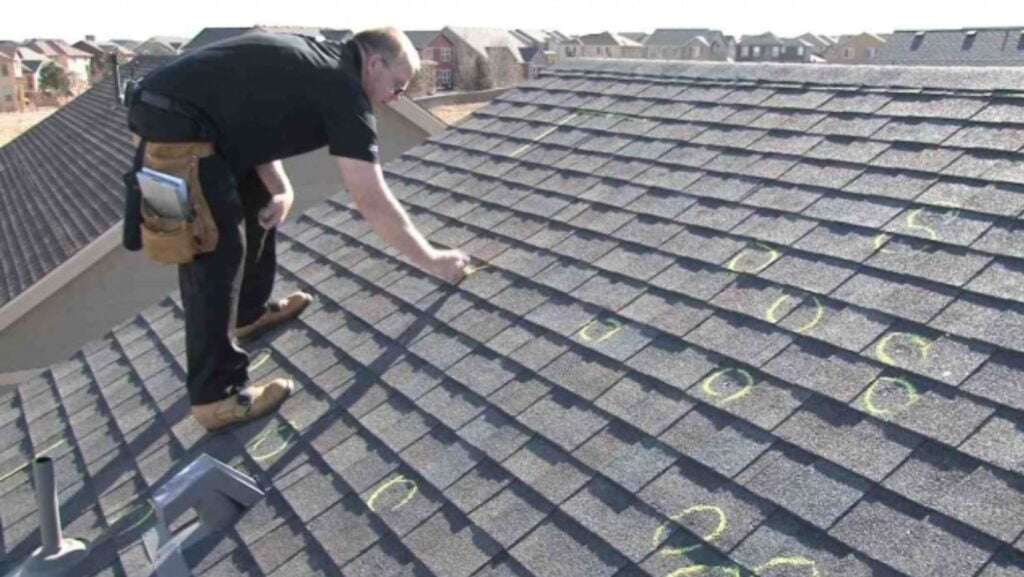
Everything starts with a professional inspection and written estimate. A reputable contractor will climb onto your roof, assess its condition, measure the square footage, and provide a detailed quote that includes materials, labor, tear-off, disposal, permits, and warranty information. Always get at least two or three estimates before signing. Learn more about costs in our guides to roof replacement cost in Florida and new roof cost in Texas.
Material Selection
Your contractor will help you choose the right roofing material based on your budget, climate, and aesthetic preferences. Common options include asphalt shingles and metal roofing, tile, and flat-roof membranes. Color samples and manufacturer brochures make it easier to visualize the final result. Materials are typically ordered one to two weeks before the start date.
Permits and Scheduling
Your contractor should pull the required building permit from your local municipality. In most areas this takes three to ten business days. Once the permit is approved and materials are delivered, the crew will be scheduled. Weather is the biggest variable — most contractors build buffer days into the timeline for rain delays.
How to Prepare Your Home
A little preparation goes a long way in protecting your property and making the crew’s job easier:
- Move vehicles out of the driveway and away from the house. Falling debris can dent cars and crack windshields.
- Remove or secure patio furniture, grills, and potted plants within 15 feet of the house.
- Take down wall decorations on upper floors. The hammering and vibration from tear-off can knock items off walls.
- Cover items in the attic with drop cloths. Dust and small debris can shake loose through the decking.
- Trim overhanging branches if they interfere with roof access. Your contractor may handle this, but ask in advance.
- Alert your neighbors. A roof replacement is noisy. A quick heads-up is courteous and avoids complaints.
- Make arrangements for pets. Loud noise, strangers, and open gates can stress animals. Keep them indoors or at a friend’s house.
Day 1: Tear-Off and Inspection
The crew arrives early — usually between 7:00 and 8:00 AM. The first step is stripping the old roofing material down to the deck. This is the loudest and messiest part of the job.
- A dump trailer or roll-off dumpster is positioned near the house for debris.
- Tarps and plywood are placed around the foundation to protect landscaping, siding, and windows.
- The crew uses roofing shovels and pry bars to remove old shingles, underlayment, and damaged flashing.
Once the deck is exposed, the foreman inspects the plywood sheathing for rot, water damage, and soft spots. Damaged decking must be replaced before the new roof goes on. This is an additional cost, but it is not optional — installing new shingles over rotten wood leads to premature failure. Most projects need zero to a few sheets replaced; extensive rot is less common.
Day 1–2: Underlayment, Flashing, and Drip Edge
With the deck repaired and clean, the crew installs the waterproofing layers:
- Ice and water shield: A self-adhesive membrane applied along eaves, valleys, and around penetrations (vents, chimneys, skylights). Required by code in most jurisdictions.
- Synthetic underlayment: Rolled out across the entire deck as a secondary water barrier beneath the shingles.
- Drip edge: Metal strips along the eaves and rakes that direct water into the gutters and away from the fascia.
- Step and counter flashing: Metal pieces that waterproof joints where the roof meets vertical surfaces like walls and chimneys.
Day 2–3: Shingle or Panel Installation
This is where the roof takes shape. Shingles are installed from the bottom up, starting at the eave and working toward the ridge. Each course overlaps the one below it, creating a layered waterproof barrier.
- Starter strip: A row of adhesive-backed shingles along the eave provides a sealed base.
- Field shingles: Installed in staggered rows with pneumatic nail guns. Proper nailing placement (in the manufacturer’s designated nail zone) is critical for wind warranty compliance.
- Hip and ridge caps: Specialty shingles installed along ridges and hips for a finished look and extra wind protection.
- Ventilation: Ridge vents, box vents, or powered attic fans are installed to ensure proper airflow. Good roof ventilation extends shingle life and reduces moisture problems.
For a typical 2,000-square-foot home, shingle installation takes one to two days depending on roof complexity and crew size.
Final Day: Cleanup and Inspection
Once installation is complete, the crew performs a thorough cleanup:
- All debris is loaded into the dumpster and hauled away
- A magnetic roller is run across the yard, driveway, and walkways to pick up stray nails
- Gutters are cleared of granules and debris
- Landscaping tarps are removed
The foreman conducts a final walkthrough with you, pointing out the completed work and answering any questions. A municipal building inspector will also visit (usually within a week) to verify code compliance and close the permit.
How Long Does a Roof Replacement Take?
Most residential roof replacements are completed in one to three days:
- Simple gable roof, asphalt shingles: 1 day
- Medium complexity (hips, valleys, dormers): 2 days
- Large or complex roof, or metal/tile installation: 3–5 days
Rain delays, extensive decking repair, and custom flashing work can extend the timeline. Your contractor should communicate any changes as they arise.
Ready to Get Started?
A roof replacement does not have to be overwhelming. With the right contractor, clear communication, and a little preparation, the process is straightforward. Roofing Quote Today connects homeowners with experienced, licensed roof replacement professionals in Pennsylvania, New York, Florida, Texas, and nationwide.
Call 844-677-2023 today for a free estimate, or visit our contact page to schedule your consultation.