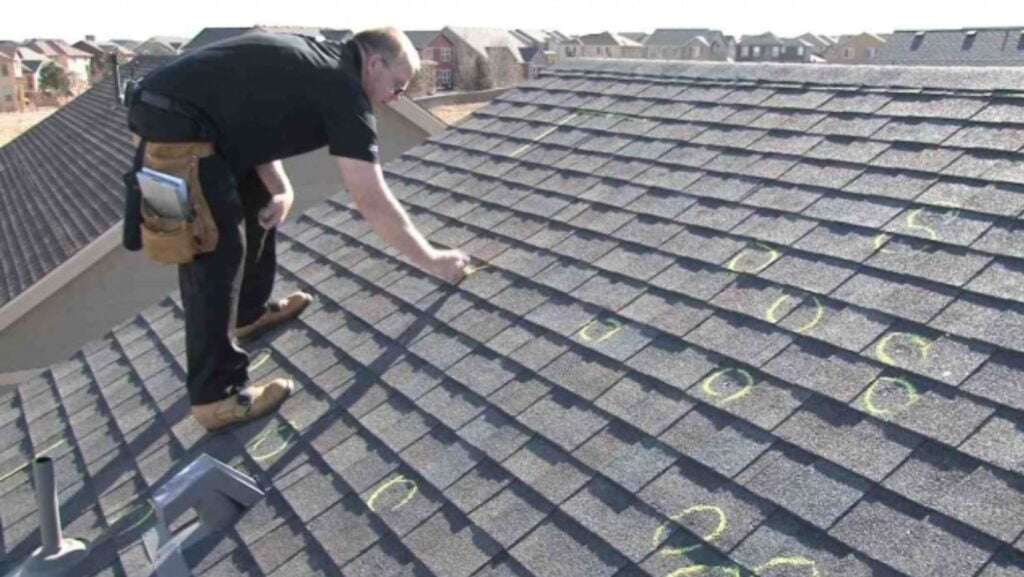

The Pacific Northwest is one of the most beautiful regions in the country — and one of the toughest on roofs. Persistent rain, high humidity, limited sunlight, and occasional windstorms create a unique set of challenges that homeowners in Washington and the surrounding region need to understand. Here are the most common roof problems in the Pacific Northwest and what you can do about them.
1. Moss and Algae Growth
Moss is the signature roof problem of the PNW. The combination of shade, moisture, and mild temperatures creates an ideal environment for moss to thrive on roofing materials — especially on north-facing slopes and under tree canopy.
Why it matters:
- Moss roots penetrate beneath shingle edges, lifting them and breaking the waterproof seal
- Moss holds moisture against the roof surface, accelerating shingle deterioration
- Heavy moss growth adds weight and traps debris in valleys
Prevention and Treatment
- Zinc or copper strips: Installed along the ridge, these metal strips release ions during rain that inhibit moss growth downslope. They are the most effective long-term prevention method.
- Professional cleaning: A soft-wash treatment (low-pressure water with moss-killing solution) removes existing growth without damaging shingles. Never pressure wash asphalt shingles — it strips granules and shortens their lifespan.
- Tree trimming: Reducing shade and improving air circulation slows regrowth significantly.
2. Moisture and Condensation in the Attic
The PNW’s cool, damp climate makes attic condensation a persistent issue. When warm, moist air from the living space rises into a poorly ventilated attic, it condenses on the cold underside of the roof deck. Over time, this leads to:
- Mold and mildew on decking, rafters, and insulation
- Rotted plywood sheathing
- Stained ceilings that mimic leak damage
- Degraded insulation that loses its R-value
The Fix
Proper attic ventilation and insulation are the solution. A balanced system uses soffit vents for intake and ridge or box vents for exhaust, creating continuous airflow that carries moisture out before it condenses. An energy audit or roof inspection can identify ventilation deficiencies.
3. Wind Damage
While the PNW does not see hurricanes, it experiences powerful windstorms — particularly during fall and winter. The infamous “Pineapple Express” atmospheric river events bring sustained winds of 40–60 mph with gusts exceeding 80 mph in exposed areas.
Wind damage in the Pacific Northwest often includes:
- Lifted or blown-off shingles, especially along edges and ridges
- Damaged or detached flashing
- Fallen tree limbs puncturing the roof surface
- Displaced ridge caps
After any significant windstorm, a visual inspection from the ground is worthwhile. If you see debris on the roof or missing shingles, schedule a professional inspection promptly. Filing an insurance claim quickly preserves your coverage.
4. Standing Water and Poor Drainage
Seattle averages 152 rainy days per year. That volume of water demands a roof and gutter system that drains efficiently. Problems arise when:
- Gutters clog with pine needles, leaf debris, and moss. Clogged gutters cause water to back up under the roof edge and rot the fascia.
- Low-slope sections pond water. Flat or low-slope areas on otherwise pitched roofs are common on PNW homes with additions, dormers, or covered porches. Ponding water degrades roofing materials and eventually leaks.
- Valley debris accumulates. Roof valleys collect leaves, needles, and moss that dam water flow and cause overflow under shingles.
Prevention
Clean gutters at least twice a year — more often if you have overhanging conifers. Install gutter guards designed for needle-type debris. Keep valleys clear and ensure all low-slope sections have appropriate membrane roofing rather than standard shingles.
5. Lichen and Organic Staining
Lichen — a composite organism of fungus and algae — bonds more aggressively to roofing surfaces than moss does. It appears as light green, gray, or white crusty patches. Removing lichen often pulls granules off asphalt shingles, so prevention is preferable to treatment.
Dark streaks caused by Gloeocapsa magma (blue-green algae) are also common. While largely cosmetic, they reduce curb appeal and can indicate excess moisture retention. Algae-resistant shingles with copper-infused granules are available from major manufacturers and are worth specifying during your next roof replacement.
6. Shortened Shingle Lifespan
Asphalt shingles rated for 25–30 years in moderate climates may last only 18–22 years in the PNW due to constant moisture exposure, moss damage, and limited UV drying. Homeowners should plan for earlier replacement and consider materials better suited to the climate:
- Metal roofing: Sheds water instantly, resists moss, and lasts 40–70 years. An excellent choice for the PNW. See our asphalt vs metal comparison.
- Composite or synthetic shingles: Engineered to resist moisture and biological growth better than standard asphalt.
- Cedar shake (treated): Traditional in the region but requires consistent maintenance to prevent rot and moss infiltration.
Protect Your Pacific Northwest Roof
The PNW climate demands proactive roof maintenance. Regular inspections, gutter cleaning, moss prevention, and proper ventilation will extend your roof’s life and prevent costly surprises.
Roofing Quote Today connects homeowners in Seattle, Tacoma, Bellevue, Federal Way, Vancouver, and across Washington with experienced local roofers who understand PNW conditions.
Call 844-677-2023 to schedule your inspection, or visit our contact page to request a free estimate.