When you notice a leak, missing shingles, or age-related wear on your roof, the first question is always the same: repair or replace? Choosing wrong is expensive in both directions. Replacing a roof that could have been patched for a few hundred dollars wastes thousands. Repairing a roof that is past saving is throwing good money after bad. Here is how to make the right call for your home.
The Core Question: Condition or Age?
Most repair-vs-replace decisions come down to two factors:
- Is the damage localized or widespread? A few missing shingles on one slope is very different from granule loss across the entire roof.
- How old is the roof? A 5-year-old asphalt roof has 20+ years of service left; a 22-year-old roof is on borrowed time regardless of how it looks.
If the damage is small and the roof is young, repair. If the damage is widespread or the roof is near end-of-life, replace. Where it gets tricky is everything in between — and that is where the following rules help.
When Repair Is the Right Call
1. Localized Damage on a Young Roof
A roof under 15 years old with damage confined to one area (wind-lifted shingles, a single flashing leak, a branch impact) is an obvious repair candidate. Fix the affected area and move on. You will get another 10+ years of service from the rest of the roof.
2. Small Leaks from Identified Sources
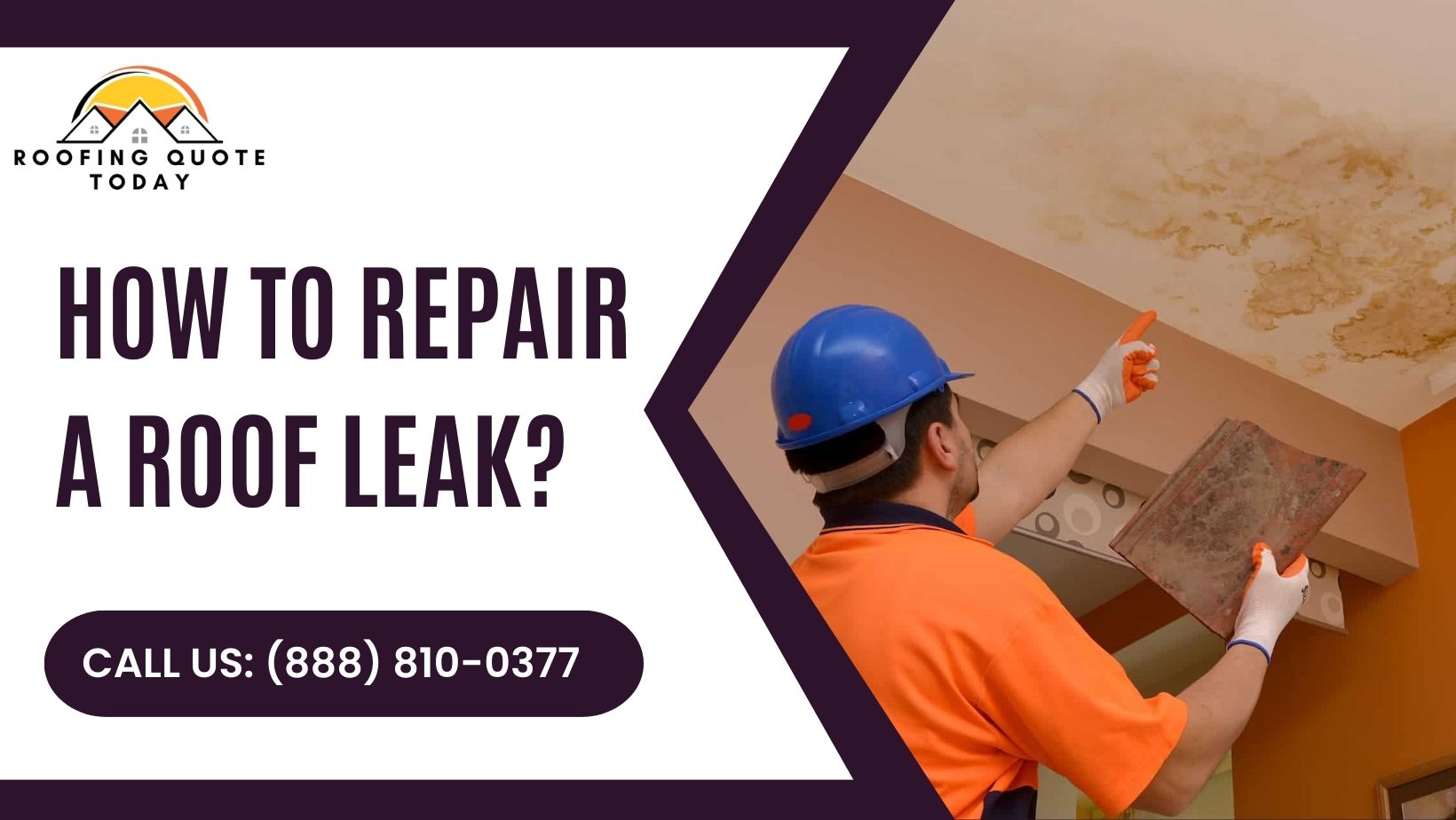
A leak traced to a cracked vent boot, failed pipe flashing, or a single damaged shingle is almost always a repair. Expect to pay $200–$600 for the fix. See our guide on how to repair a roof leak for more detail on common leak sources.
3. Storm Damage Covered by Insurance
If wind or hail damaged a specific section and insurance will pay, repair is usually the appropriate path unless the storm damage is catastrophic. Document the damage, file a claim, and let the insurance settlement drive the decision.
4. You Plan to Sell Soon
If you are selling within a year or two and the roof passes a home inspection, strategic repairs make more sense than a full replacement. You will not recoup the replacement cost in the sale price. That said, an obviously failing roof will derail negotiations — balance cost against buyer perception.
When Replacement Is the Right Call
1. The Roof Is Near End of Life
Asphalt shingles typically last 20–30 years depending on climate and quality. If your roof is 20+ years old and showing problems, repairs are a losing strategy. New failures will keep appearing, and every repair is money spent on a system that is aging out. For regional lifespan variations see our guide on asphalt shingle lifespan.
2. Widespread Granule Loss or Curling
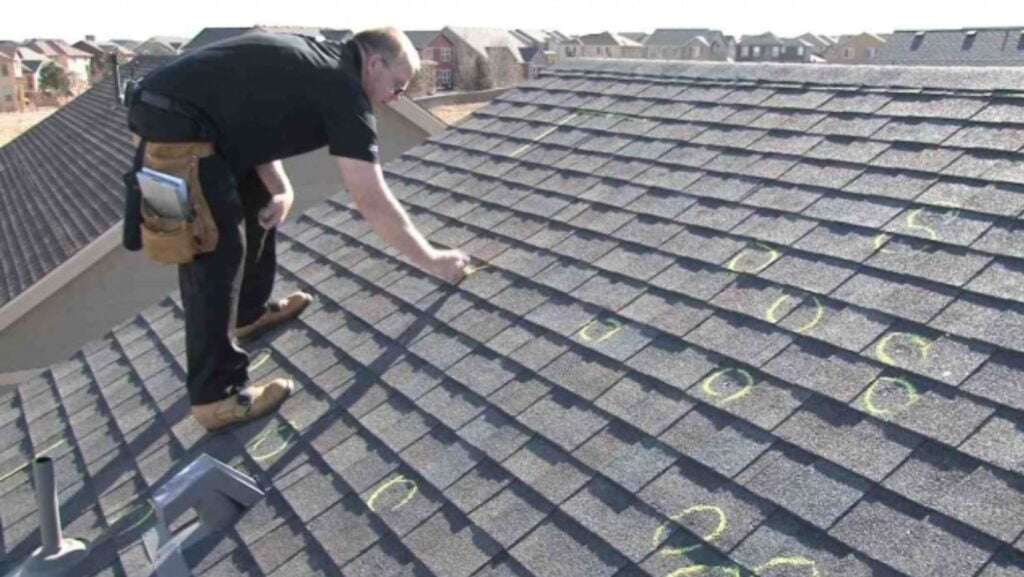
If granules are scattered across your gutters, shingles are curling at the edges, or you see bald spots on multiple slopes, the asphalt layer has lost its protective coating. These are terminal symptoms, not repair candidates. Read more warning signs in our guide on signs you need a new roof.
3. Multiple Leaks From Different Sources
One leak is a repair. Three leaks in three locations over two years signals a system-level failure — underlayment degradation, seal-strip failure, or deck deterioration that will keep producing new leaks wherever you patch.
4. Sagging Roof Deck
A visibly sagging roofline indicates structural problems — water-damaged sheathing, compromised trusses, or long-term moisture intrusion. Repair is not an option. A full tear-off with deck replacement is required.
5. Repairs Would Exceed 30% of Replacement Cost
The rule of thumb: if a single repair quote is 30% or more of the cost of a full replacement, replace. You are getting limited value from a partial solution. Learn more about pricing in our guide on how much roof repair costs.
The “Partial Replacement” Myth
Some homeowners ask whether they can replace just one slope or one section. In theory, yes. In practice, partial replacements cause more problems than they solve:
- Color and weathering differences between new and old shingles are obvious for years
- The transition between new and old creates a weak point prone to leaks
- Manufacturer warranties typically do not apply to partial installs
- The remaining old section will still need full replacement sooner than you think
The only case where partial replacement makes sense is a clean architectural break — such as a detached addition with its own distinct roof that was installed at a different time.
Cost Comparison: Repair vs Replacement
Typical 2026 pricing:
- Minor repair (few shingles, one flashing): $250–$600
- Moderate repair (leak source, ridge cap, valley section): $600–$1,500
- Major repair (structural element, extensive flashing, multiple leaks): $1,500–$4,000
- Full asphalt replacement (typical 2,000 sq ft roof): $8,000–$16,000
- Full metal replacement: $20,000–$34,000
When deciding, compare the repair cost plus expected remaining roof life against a full replacement amortized over 25–30 years. If a $2,500 repair only buys you 3 more years before replacement, a $12,000 replacement that lasts 25 years is the better investment.
Hidden Factors That Influence the Decision
- Warranty status: Active manufacturer warranties can cover some repair work. If your roof is still under warranty, repair may cost you nothing.
- Energy performance: Modern shingles and cool-roof options can lower cooling costs. If your old roof is dark and inefficient, replacement delivers ongoing energy savings. See our guide on roof color and energy efficiency.
- Insurance premium: Some insurers offer discounts for newer roofs or impact-rated materials.
- Upcoming home improvements: If you are planning solar, an addition, or significant exterior work, coordinating with a new roof is usually smart.
Get an Honest Assessment
The most reliable way to answer the repair-vs-replace question is a professional roof inspection from a trustworthy contractor. A good roofer will give you an honest recommendation, not push a replacement you do not need.
Roofing Quote Today connects homeowners with licensed, pre-screened roofing professionals who provide transparent assessments and clear pricing for both replacement and repair. We serve communities nationwide.
Call 844-677-2023 for a free estimate, or visit our contact page to get started.