If you own a home in New York, knowing how long your asphalt shingles will last is essential to planning repairs, replacements, and resale timing. The state’s wide climate range — cold winters, humid summers, heavy snow upstate, and salt air downstate — all take a toll on roofing materials. Here is what New York homeowners should realistically expect.
Average Asphalt Shingle Lifespan in New York
Asphalt shingles are rated for 20–50 years depending on product class, but real-world lifespans in New York are shorter than the marketing claims suggest:
- Three-tab shingles: 15–20 years (rated 20–25)
- Architectural / dimensional shingles: 22–28 years (rated 25–30)
- Premium / designer shingles: 28–40 years (rated 40–50)
The gap between rated and actual lifespan comes from real-world exposure: freeze-thaw cycles, heavy snow loads, UV in summer, and the storm intensity typical of the Northeast. A shingle rated for 30 years in a climate-controlled lab often delivers 22–25 years on a New York roof.
What Shortens Shingle Life in New York
1. Freeze-Thaw Cycles
The single biggest factor in NY. Water that gets under shingle edges freezes at night, expands, and breaks the adhesive seal. By morning it thaws and the shingle sits slightly loose — ready for the next freeze to widen the gap. Over 20–25 years, this cycle repeats hundreds of times and slowly degrades the shingle.
2. Ice Dams
When warm attic air melts rooftop snow, the meltwater runs to the colder eaves and refreezes, forming an ice dam. The trapped water works back under shingles and rots the deck. Inadequate attic insulation and ventilation are the root cause, and they are common in older NY homes. See our roof ventilation guide for prevention strategies.
3. Heavy Snow Loads
Upstate New York regularly sees 3–6 feet of snow per storm. The weight compresses shingles against the deck and stresses fasteners. Repeated loads shorten shingle life, especially near valleys and eaves where snow accumulates deepest.
4. Summer Heat and UV
New York summers can exceed 90°F with intense UV. Dark shingles on poorly ventilated attics reach surface temperatures of 150°F+, baking the asphalt and accelerating aging. Good attic ventilation dramatically reduces this stress.
5. Salt Air (Coastal Areas)
Long Island, the Rockaways, and coastal Brooklyn face salt spray that corrodes metal flashing, fasteners, and gutters. Salt-damaged fasteners allow shingles to lift during wind events and shorten overall roof life.
Lifespan by Region Within New York
New York City and Long Island
Milder winters but more severe coastal storms and hurricane remnants. Salt air adds stress. Expect architectural shingles to deliver 22–26 years in NYC, Brooklyn, Queens, and Long Island.
Hudson Valley and Westchester
Balanced climate with notable snowfall and good seasonal variation. Shingle lifespans are close to the state average: 23–28 years for quality architectural shingles in Yonkers, White Plains, and Poughkeepsie.
Capital Region (Albany, Schenectady, Troy)
Colder winters with significant snow and ice dam exposure. Expect 20–25 years for architectural shingles in Albany and surrounding areas.
Western New York (Buffalo, Rochester, Syracuse)
Lake-effect snow and the most severe winter exposure in the state. Shingles in this region often reach 18–24 years of service. Homes in Buffalo and Syracuse particularly benefit from premium-grade, impact-resistant products.
How to Extend Asphalt Shingle Life in NY
Ensure Proper Attic Ventilation
This is the #1 life-extender for NY roofs. A balanced intake-exhaust system keeps attic temperatures close to outdoor air, preventing both summer heat damage and winter ice dams. Budget $400–$1,200 for ventilation upgrades during a replacement.
Install Ice & Water Shield
New York code requires peel-and-stick membrane along eaves, valleys, and penetrations. If your existing roof does not have it (common on roofs built before 2000), a replacement that includes full ice & water coverage is a major upgrade.
Keep Gutters Clear
Clogged gutters hold water against the roof edge and accelerate ice dam formation. Clean gutters at least twice a year — spring and fall — and consider gutter guards if leaves are a recurring problem.
Trim Overhanging Branches
Branches scrape shingles, drop debris, and create shade that prolongs moisture. Keep trees trimmed at least 6 feet from the roof surface.
Schedule Regular Inspections
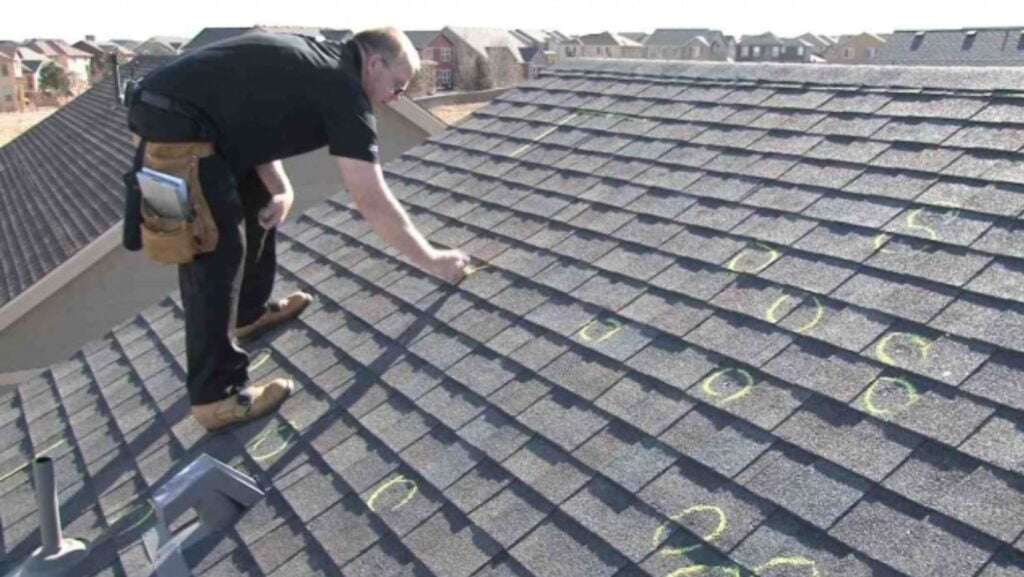
An annual inspection catches small issues before they become big ones. See our guide on how often to inspect your roof. Post-storm inspections are also valuable after major wind or hail events.
Address Moss and Lichen Early
Moss is less common in NY than in the Pacific Northwest but still appears on shaded north slopes. Zinc strips along the ridge or a soft-wash treatment prevent accelerated decay.
When to Start Planning for Replacement
Begin budgeting for replacement once your asphalt shingles reach these milestones:
- 15 years: Schedule an inspection and address any minor issues
- 18–20 years: Get competitive quotes so you know your cost and can plan financially
- 20+ years: Replacement is likely imminent; look for signs in our new roof warning signs guide
Replacing proactively — before a leak forces an emergency decision — almost always saves money and lets you pick the right contractor and materials without pressure.
Get a Professional Assessment
Roofing Quote Today connects New York homeowners with licensed roofing professionals who understand local climate demands. We serve New York City, Buffalo, Rochester, Syracuse, Albany, and communities across the state.
Whether you need a roof inspection, a repair, or a full replacement, call 844-677-2023 for a free estimate, or visit our contact page to get started.