#1 Roof Repairing & Renovation Company in your city. Get Appointment Today

Miami Roofing Services — HVHZ Specialists for Coastal & Tropical Storm Conditions
Local Miami Roofing, Done Right the First Time
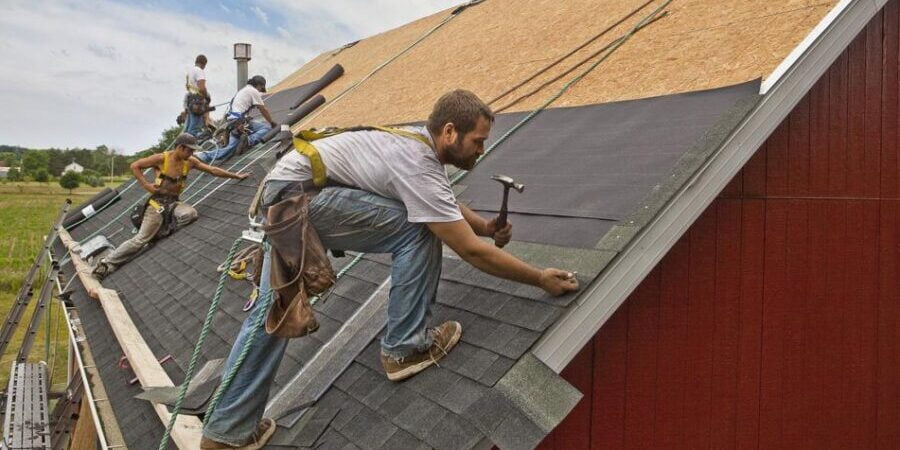
About Roofing in Miami
Miami roofing operates inside the most demanding regulatory environment in the United States: the Florida Building Code High-Velocity Hurricane Zone (HVHZ), which applies to all of Miami-Dade and Broward counties. Every material used on a Miami roof — shingles, tiles, underlayment, flashings, fasteners, sealants — must carry a Miami-Dade Notice of Acceptance (NOA) number and be installed per the NOA’s exact fastening pattern. That regime exists because the city sits in the direct path of Atlantic hurricanes. Andrew in 1992 and Irma in 2017 bracket a generation of Cat-4 and Cat-5 threats, and every summer brings named storms that can turn a non-compliant roof into an insurance nightmare. On top of that, Miami’s 90°F summer heat, intense UV, saltwater-laden sea breezes from Biscayne Bay, and near-daily afternoon thundershowers from June through September erode unprotected roofs quickly.
Roofing Quote Today installs only NOA-listed assemblies across Miami-Dade. For the concrete-tile and clay-tile roofs that dominate Coral Gables, Coconut Grove, and Pinecrest, we specify adhesive-set or mechanically-attached systems to NOA-approved mortar or foam patterns, with tile-specific underlayments rated for HVHZ wind uplift. On the stucco Mediterranean homes of Morningside and Belle Meade and the Mid-Century Modern (MiMo) residences of the Upper Eastside, we install ASTM D7158 Class H shingles with 150 mph wind ratings. Flat and low-slope roofs — common on Miami Beach Art Deco buildings, Wynwood warehouses, and Brickell condos — get NOA-approved modified-bitumen or TPO/PVC single-ply systems with fully-adhered attachment. Coastal properties in Key Biscayne, Sunny Isles, and Surfside always get 316 stainless fasteners and marine-grade flashings to resist salt corrosion.
We work every part of Miami-Dade — from the 1920s Mediterranean mansions of Coral Gables and Old Cutler, the Art Deco and MiMo hotels of Miami Beach and North Beach, and the tropical-modernist homes of Pinecrest and Palmetto Bay, to the Mediterranean Revival homes of Morningside and the Spanish-tile bungalows of Little Havana and Shenandoah. Key Biscayne and Sunny Isles clients rely on our salt-rated flashing details. We also routinely serve Brickell and Edgewater condo associations, Wynwood and Design District commercial properties, Kendall, Doral, Hialeah, Aventura, Homestead, and the north-Broward cities of Hollywood and Fort Lauderdale when owners ask.
Average Roof Replacement Cost in Miami
Homeowners in Miami, Florida typically pay between $9,000 and $22,000 for a full roof replacement. The most common roofing material here is concrete tile (hvhz-rated), chosen for its ability to handle 62 inches of annual rainfall. Final cost depends on roof size, pitch, material selection, and whether a full tear-off or overlay is needed. We provide free on-site estimates so you can compare options and make an informed decision before any work begins.
What to Look for in a Miami Roofing Contractor
Hiring the right roofer in Miami means checking more than just price. Here are three things every Miami homeowner should verify before signing a contract:
- Verify the roofer is licensed and registered in Miami-Dade County specifically
- Ask for proof of HVHZ product approvals (NOA numbers) for every component they’ll install
- Confirm they carry full windstorm insurance coverage, not just standard liability
Get a Free Roofing Quote in Miami
Ready to protect your Miami home? Call 1-844-677-2023 or fill out the form on this page for a free, no-obligation roofing estimate. Our Miami roofing specialists will schedule a convenient on-site inspection and deliver a written quote — typically within the same week.
Miami Roofing FAQs
What is the HVHZ and does my Miami roof have to comply?
The High-Velocity Hurricane Zone is a FBC designation that covers all of Miami-Dade and Broward counties. Every roofing product installed here — tiles, shingles, underlayment, fasteners, flashings, adhesives — must be listed on a current Miami-Dade Notice of Acceptance (NOA) document. Installation must follow the NOA’s exact fastening pattern, and permits require NOA numbers on the paperwork. Non-NOA products cannot legally be used, and non-compliant installs can void both warranty and insurance coverage.
Is tile or metal a better choice in Miami?
Both work in HVHZ as long as they carry a valid NOA. Concrete or clay tile is the traditional Miami choice — 40–50 year service life, matches the architecture of Coral Gables and the Grove, and handles 150–200 mph winds when installed to NOA spec. Standing-seam metal costs about 1.5–2x asphalt, resists salt corrosion when you use Galvalume or coated aluminum, and earns strong Florida wind-mitigation credits. We price both so you can compare.
How do I minimize my Miami windstorm insurance premium?
Ask for a wind-mitigation inspection after any new roof. Citizens and the private Florida carriers give credits for: an FBC-compliant roof deck (ring-shank nails, 6-inch spacing), a secondary water barrier (peel-and-stick over the entire deck), a hip-roof shape, opening protection (impact glass or shutters), and a roof-to-wall connection better than toe-nailed. We build the roof deck and underlayment so that every upgradeable mitigation credit is available on your OIR 1802 form.
