
Adding solar panels to your home can cut energy bills and increase property value, but the decision has big implications for your roof. Solar panels and roofing are tightly linked — get the sequence wrong, and you could end up paying twice for the same work. This guide covers what every homeowner should know before putting solar on a roof.
Should You Reroof Before Going Solar?
This is the single most important question. Solar panels are designed to last 25–30 years. If your roof has fewer years left than that, installing solar now means removing and reinstalling the entire array when you replace the roof — a process that costs $2,000–$5,000 on top of the new roof itself.
The rule of thumb:
- Roof under 10 years old: Go solar now. Your roof will outlast or match the panels.
- Roof 10–15 years old: Have the roof inspected. If it is in excellent shape, proceed. If there are any concerns, reroof first.
- Roof 15+ years old: Reroof first, almost always. The cost of removing and reinstalling panels later is high enough that a new roof is the better sequence.
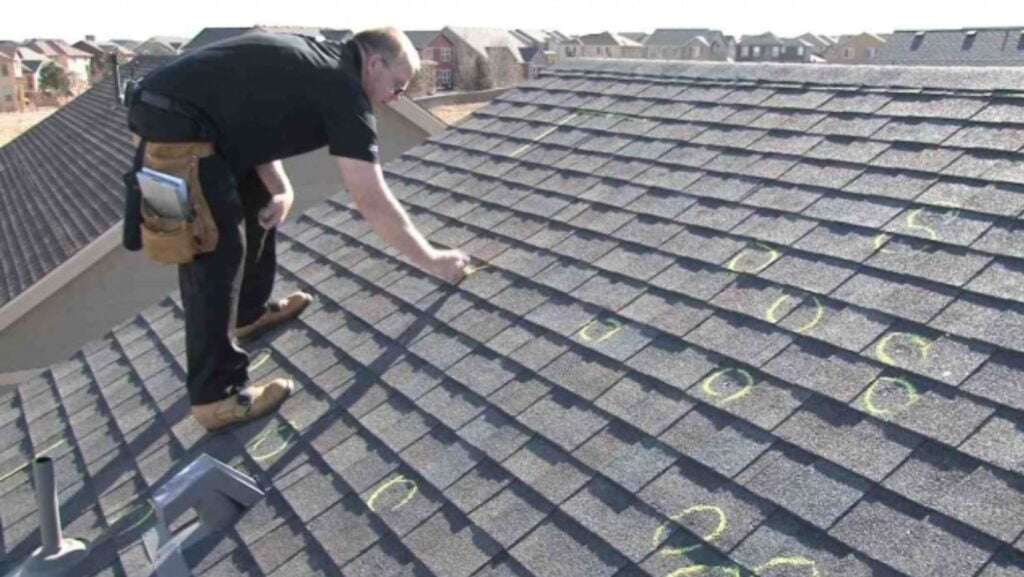
Not sure where your roof stands? Get a professional roof inspection before signing any solar contract.
How Solar Panels Attach to a Roof
Most residential solar arrays use roof-penetrating mounts:
- Lag bolts or structural screws anchor mounting feet into the roof rafters
- Flashing and sealant waterproof each penetration
- Aluminum rails span the mounts and carry the panels
A typical 20-panel array drills 40–60 penetrations through your roof. Done correctly, these are fully waterproofed with flashing and sealant. Done poorly, they are 40–60 potential leak points.
Alternative mounting methods include:
- Ballasted systems: Weight-loaded mounts for flat roofs that require no penetrations. Limited to low-slope commercial or modern residential designs.
- Standing seam clamps: On standing seam metal roofs, panels clamp directly to the seams with zero penetrations. The ideal combination.
- Solar shingles: Roofing products that integrate photovoltaic cells into the shingle itself. Tesla Solar Roof is the most recognized; GAF and CertainTeed offer similar products. Cost 30–50% more than panels plus a new roof.
Roofing Materials Best Suited for Solar
Asphalt Shingles
The most common residential substrate for solar. Architectural shingles installed properly will support solar without issue. Expect a 25–30 year service life from both roof and panels.
Standing Seam Metal
The best option. Clamp-on mounts eliminate roof penetrations, the metal itself lasts 40–70 years (longer than the panels), and the reflective surface boosts panel efficiency by keeping the roof cooler.
Tile Roofs
Solar installs on tile roofs are more expensive due to specialized flashing and tile-replacement kits. Expect 15–25% higher installation costs, and use installers experienced with tile.
Wood Shake and Slate
Both are possible but rarely recommended. Wood shake is not fire-rated for panels in many jurisdictions, and slate is fragile and requires highly specialized installation. Budget significantly more for these materials or consider a replacement first.
Impact on Your Roof Warranty
This is where many solar installations go sideways. Most shingle manufacturers’ warranties do not cover damage caused by third-party installations like solar. If a solar installer penetrates your roof incorrectly and causes a leak, you could face:
- Denied warranty claim from the shingle manufacturer
- Denied warranty claim from the solar installer if they blame the roof
- Out-of-pocket repair costs
Protect yourself by:
- Hiring an installer that carries a workmanship warranty (typically 10–25 years) on roof penetrations
- Confirming in writing that the installer will repair any roof damage caused by the installation
- Using a solar company that partners with your roofer, or a roofer who does solar in-house
Solar Panel and Installation Costs (2026)
- Average 6 kW residential system: $15,000 – $22,000 before incentives
- Per watt installed: $2.50 – $3.80
- Federal Solar Investment Tax Credit (ITC): 30% of total system cost through 2032
- State and utility incentives: Vary widely; some states add 10–25% more savings
A typical installation takes 1–3 days after permitting is complete.
Insurance and HOA Considerations
Before signing any contract:
- Call your homeowners insurance carrier. Most policies cover solar as part of the dwelling, but some require a rider or increased coverage limit.
- Check HOA rules. Many HOAs have architectural review requirements. Some states (California, Texas, Florida) have laws that limit HOA restrictions on solar, but you still need to follow the approval process.
- Verify permit requirements. Every municipality requires electrical and sometimes structural permits for solar. A reputable installer handles this.
Maintenance Considerations
Solar panels require minimal maintenance — occasional cleaning in dusty climates and an annual visual check. But their presence affects roof maintenance:
- Leaf and debris accumulation under the panel array is common. Clean twice a year.
- Inspecting the roof under panels requires partial panel removal. Factor this into future maintenance cost.
- Emergency repairs may require temporary panel removal. Keep contact information for both your roofer and solar installer.
The Smart Sequence: Roof First, Then Solar
If your roof is aging or showing signs of wear, the smart play is to replace it first — ideally with a premium architectural asphalt shingle or standing seam metal — and then add solar within the next 1–2 years. This approach:
- Maximizes the service life alignment between roof and panels
- Avoids the $2,000–$5,000 future cost of removing and reinstalling the array
- Keeps warranty coverage clean and predictable
- Lets you optimize the roof for solar (color, orientation, ventilation) before panels go up
See our guide on what to expect during a roof replacement for details on the process.
Get Solar-Ready With a New Roof
Roofing Quote Today connects homeowners with licensed roof replacement contractors who understand solar integration. A solar-ready roof is the best investment you can make before putting panels on your home.
Call 844-677-2023 for a free estimate, or visit our contact page to get started.