Hurricane season runs from June 1 through November 30, and for homeowners along the Gulf Coast and Atlantic seaboard, preparing your roof before the first storm is one of the most important things you can do to protect your home. A well-maintained, properly reinforced roof is the difference between riding out a storm safely and dealing with catastrophic water damage. Here is your complete preparation checklist.
Start With a Professional Roof Inspection
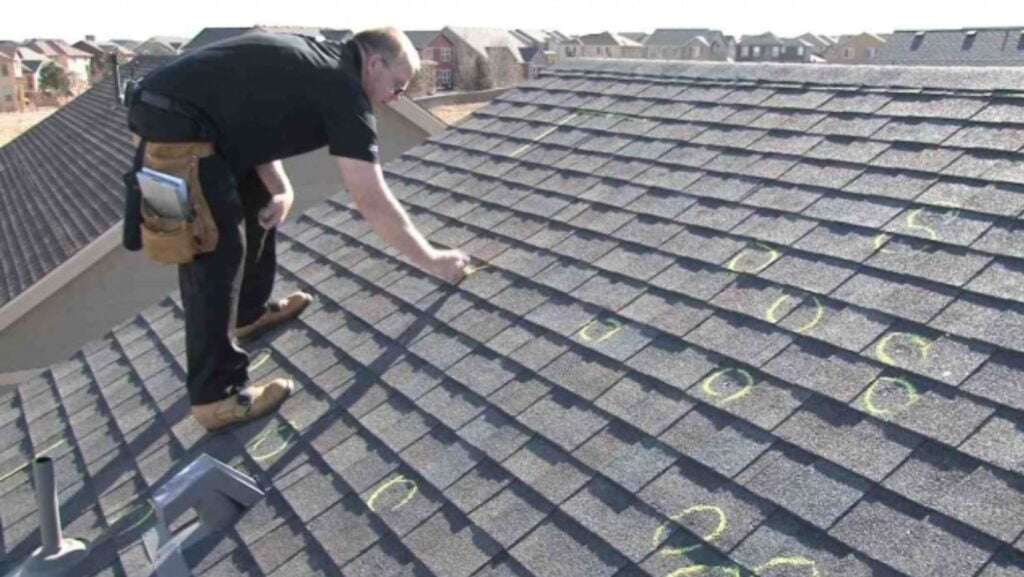
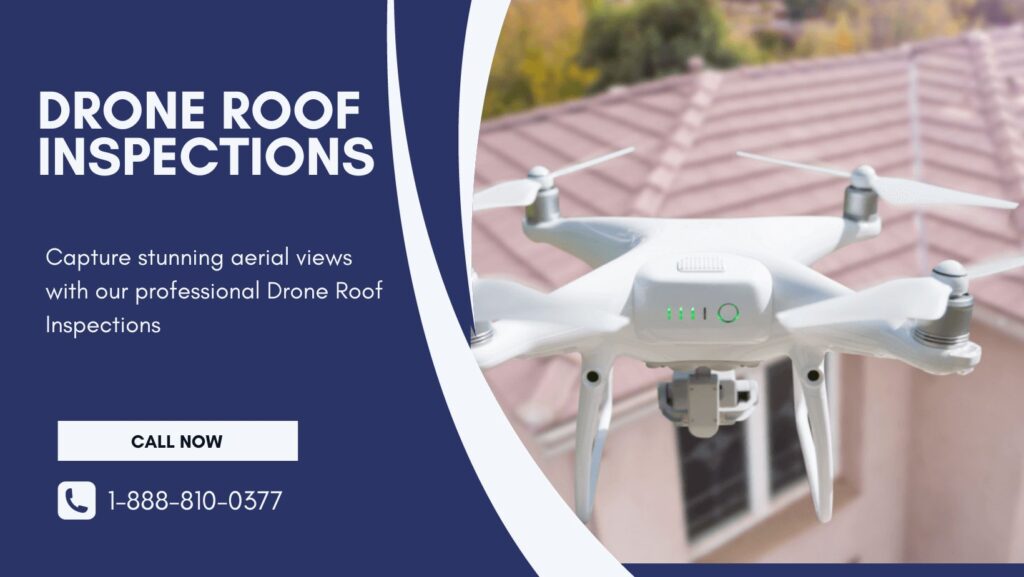
The single best step you can take is scheduling a professional roof inspection before hurricane season begins — ideally in April or May. A qualified roofer will check for:
- Loose, cracked, or missing shingles
- Deteriorated flashing around vents, chimneys, and skylights
- Lifted or improperly sealed ridge caps
- Weakened sealant strips on shingle tabs
- Clogged or damaged gutters and downspouts
- Soffit and fascia damage that could allow wind-driven rain into the attic
Catching these issues early gives you time to make repairs before storm season. Waiting until a hurricane is in the forecast means contractors are booked solid and material prices spike. Read more about how often to schedule inspections.
Repair Existing Damage
Any vulnerability in your roof becomes a point of failure during high winds. Address these common issues before hurricane season:
Missing or Damaged Shingles
Even a few missing shingles expose the underlayment and deck to wind-driven rain. Replace damaged shingles and re-seal any that have lifted tabs. If your shingles are old and showing widespread wear, a full roof replacement before storm season is the safest option.
Flashing and Sealant
Flashing around roof penetrations is a common leak point during hurricanes. Check that all flashing is securely fastened and sealed. Replace cracked or dried-out caulk around vent pipes, satellite mounts, and HVAC curbs. Use roofing-grade sealant rated for your climate.
Gutter System
Clogged gutters cause water to back up under the roof edge and into the fascia. Clean all gutters and downspouts thoroughly. Verify that gutters are securely attached — loose gutters become dangerous projectiles in high winds. Install gutter guards if debris is a recurring problem.
Reinforce Your Roof Structure
For homeowners in high-risk zones, structural reinforcement can dramatically improve storm survivability:
Hurricane Straps and Clips
Hurricane straps (also called tie-downs or Simpson clips) are metal connectors that anchor your roof trusses or rafters to the top of the wall framing. Without them, high winds can lift the entire roof structure off the house. In Florida, straps have been required by code since 2002, but many older homes lack them.
Retrofitting hurricane straps costs $1,000 – $3,000 for a typical home and is one of the highest-impact improvements you can make. Many Florida insurance companies offer significant premium discounts (15–30%) for homes with verified strap installations.
Roof Deck Attachment
The connection between your plywood decking and the trusses matters. Upgrading from standard staples to ring-shank nails at 6-inch spacing (8d nails at 6” on center) dramatically improves wind resistance. During a reroof, your contractor can upgrade the fastening pattern as part of the job.
Secondary Water Barrier
A secondary water barrier (SWB) is a peel-and-stick membrane applied directly to the roof deck beneath the shingles. If shingles blow off during a hurricane, the SWB prevents water from entering the home. Florida’s building code requires SWB in the High-Velocity Hurricane Zone (Miami-Dade and Broward counties), and it is strongly recommended statewide.
Trim Trees and Secure the Yard
Overhanging branches are one of the most common causes of hurricane roof damage. Before storm season:
- Trim branches within 6 feet of the roof
- Remove dead trees or trees with compromised root systems
- Secure or store outdoor furniture, decorations, and equipment that could become airborne
- Check that fence panels are secure — a loose fence section can act as a sail and impact your roof
Review Your Insurance Policy
Do not wait until after a storm to discover what your policy does and does not cover. Before hurricane season:
- Confirm your policy covers wind and hurricane damage (some coastal policies exclude it)
- Understand your hurricane deductible — it is usually a percentage (1–5%) of your home’s insured value, not a flat dollar amount
- Document your roof’s current condition with dated photos and your latest inspection report
- Keep your policy number and agent’s contact information accessible
If your roof is damaged during a storm, having pre-storm documentation makes the insurance claim process significantly smoother.
Build an Emergency Roof Repair Kit
Keep these supplies on hand for emergency temporary repairs after a storm:
- Heavy-duty tarps (at least 10’ x 12’)
- 2x4 lumber for securing tarps
- Roofing nails and a hammer
- Roofing cement or sealant
- Duct tape and zip ties
- Flashlight and batteries
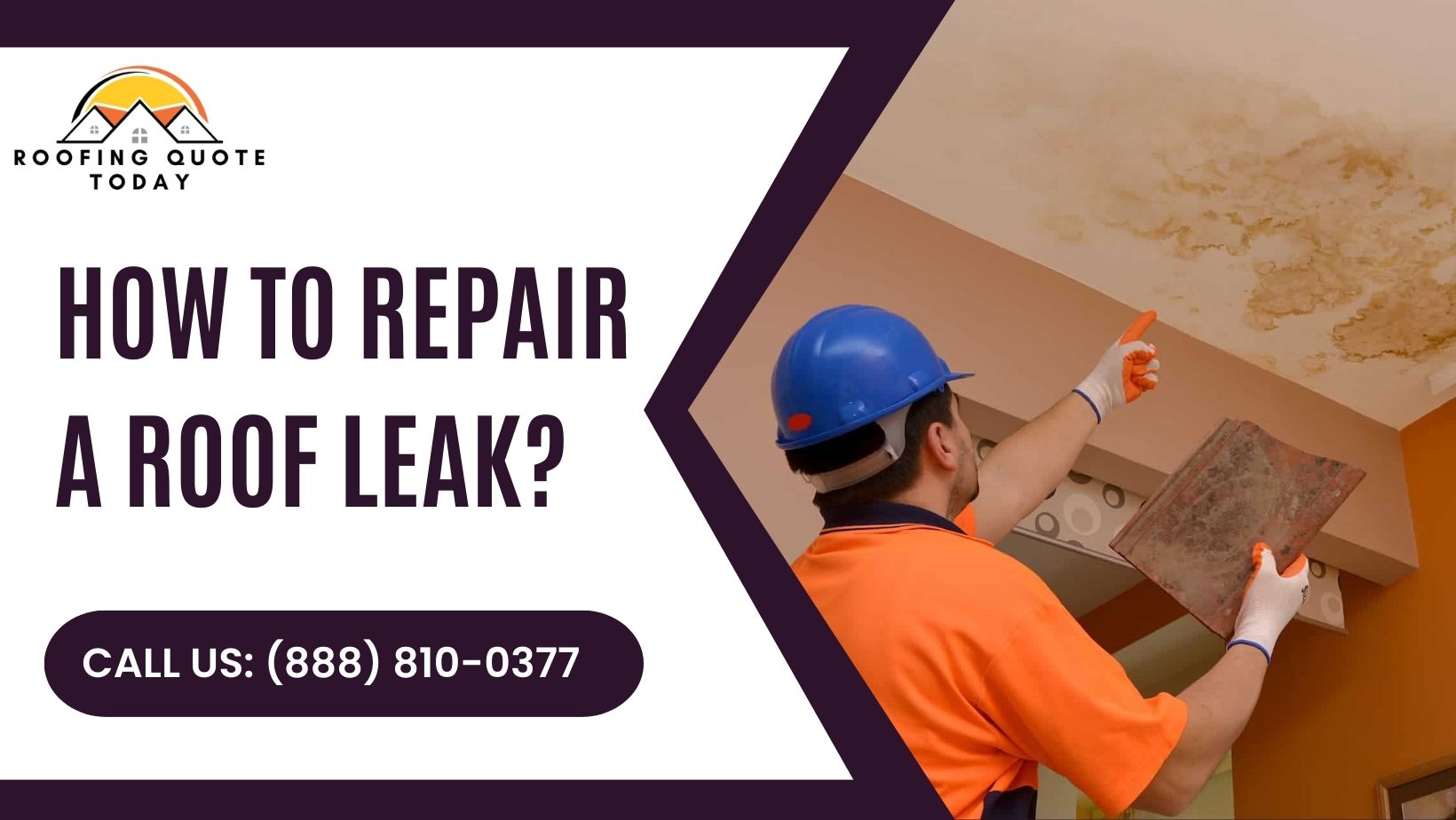
For step-by-step emergency repair instructions, see our guide on how to repair a roof leak.
Get Your Roof Hurricane-Ready Today
Do not wait for the first tropical storm warning. Roofing Quote Today connects Florida homeowners with licensed roofing professionals who specialize in hurricane preparation, roof maintenance, and storm-rated roof replacement. We serve Miami, Tampa, Orlando, Jacksonville, Palm Bay, and communities across the state.
Call 844-677-2023 to schedule your pre-season inspection, or visit our contact page to request a free estimate.